
The Carter County Most Wanted Program
Carter County publishes no Most Wanted roster. The sheriff's site offers agency news, press releases, an inmate roster, and a Warrant Tip route, but none of these is a county wanted list, and the clerk's office posts none either. No names or case details appear here for that reason. If the sheriff launches a program later, follow it on the agency's own page. A statewide or federal fugitive list is no substitute for a Carter County roster.
Carter County Warrant Tip Scope
The sheriff's Warrant Tip page is the channel for sending the agency what you know. The page itself shows no phone number, reward terms, anonymity rules, or confirmation steps, so read its current instructions before you submit anything. It is not a warrant check. The page cannot confirm a court record or tell you whether a warrant carries your name; that question belongs to the issuing court in Carter County. The official form stays available for review before you send a tip.
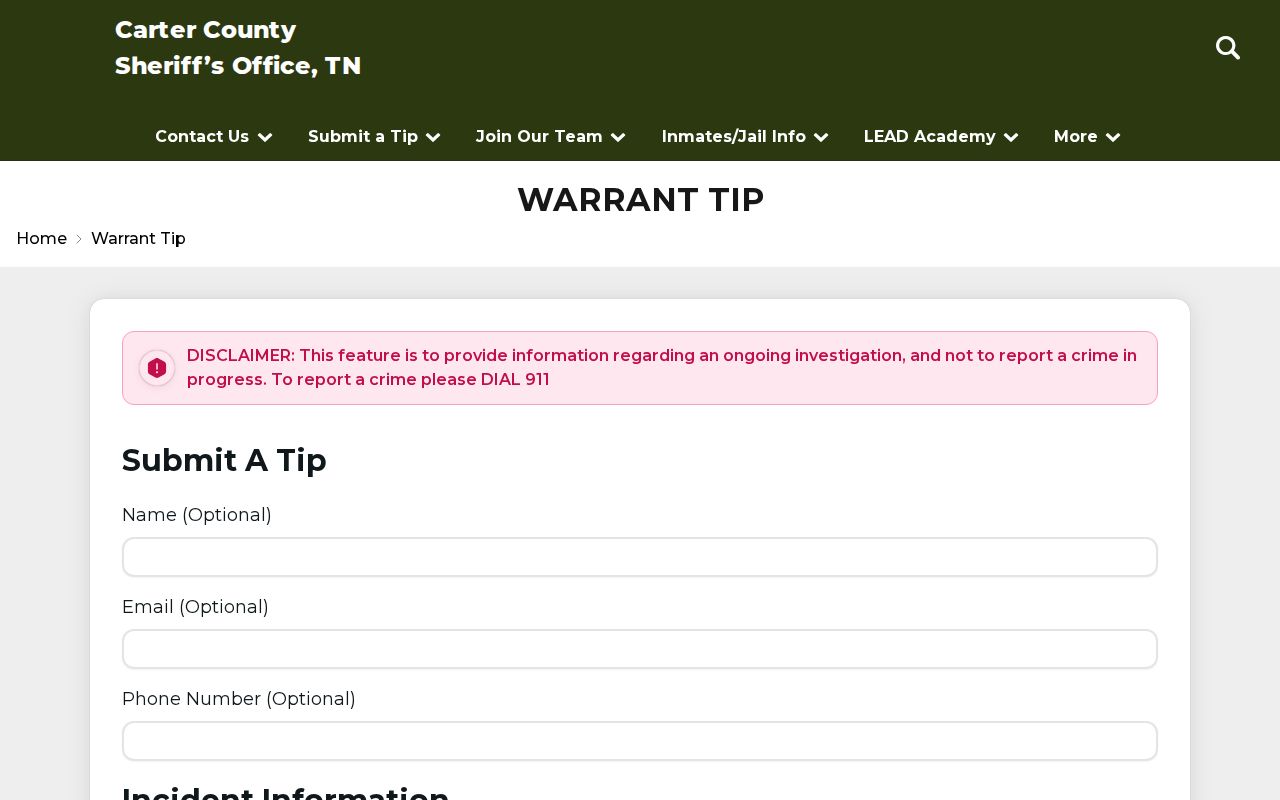
The route’s presence does not establish a public roster, reward, or anonymity promise.
How the Lists Work
With no Carter County roster, there are no published selection rules, update schedule, archive, or removal steps to describe. The sheriff's press-release index holds dated notices, not a live warrant inventory. The inmate roster shows who is in custody, and it should never be read as a Most Wanted list. If an official list appears later, check its date and scope on the agency's own current page. A copied post somewhere else may be stale or incomplete.
Note: No list, no result, and no tip page each answer different questions about records and agency contact.
Carter County Most Wanted Roster Gap
The Carter County Sheriff's Office site posts no searchable active-warrant list and no Most Wanted roster. There is no public count, reward schedule, or roundup event either. That gap is not an answer about your status; warrants can still exist without a public countywide list. For a real warrant search, use the court or sheriff records route that fits the case. Steer around third-party pages that claim to fill the official gap.
How to Report a Tip Safely
If you have something to report, use a current official route only. The Carter County Warrant Tip page is the verified starting point, though it confirms no anonymity promise, reward, or response timeline. Skip any unverified form for sensitive personal details. A tip is never a court-status check.
- Open the sheriff’s official Warrant Tip page and read its current directions.
- Share information only through a channel the agency identifies there.
- Do not approach, follow, or try to detain anyone.
- For an urgent safety concern, use the appropriate official emergency route.
Tip privacy: the inspected Carter County page did not state anonymity or reward rules, so do not promise either or rely on assumptions from another program.
Carter County Federal Warrant Routes
The U.S. Marshals Eastern District page covers a multi-agency task force and federal fugitive work, but it builds no Carter County roster; its profiled fugitives sit in a separate federal scope. The Eastern District of Tennessee places Carter County in its Greeneville/Northeastern division, and federal cases run through the district court and PACER. PACER is the federal courts' case-access service. Its fee guidance lays out per-page charges, a document cap, and a quarterly threshold that waives fees, so check the live page before you use the service.
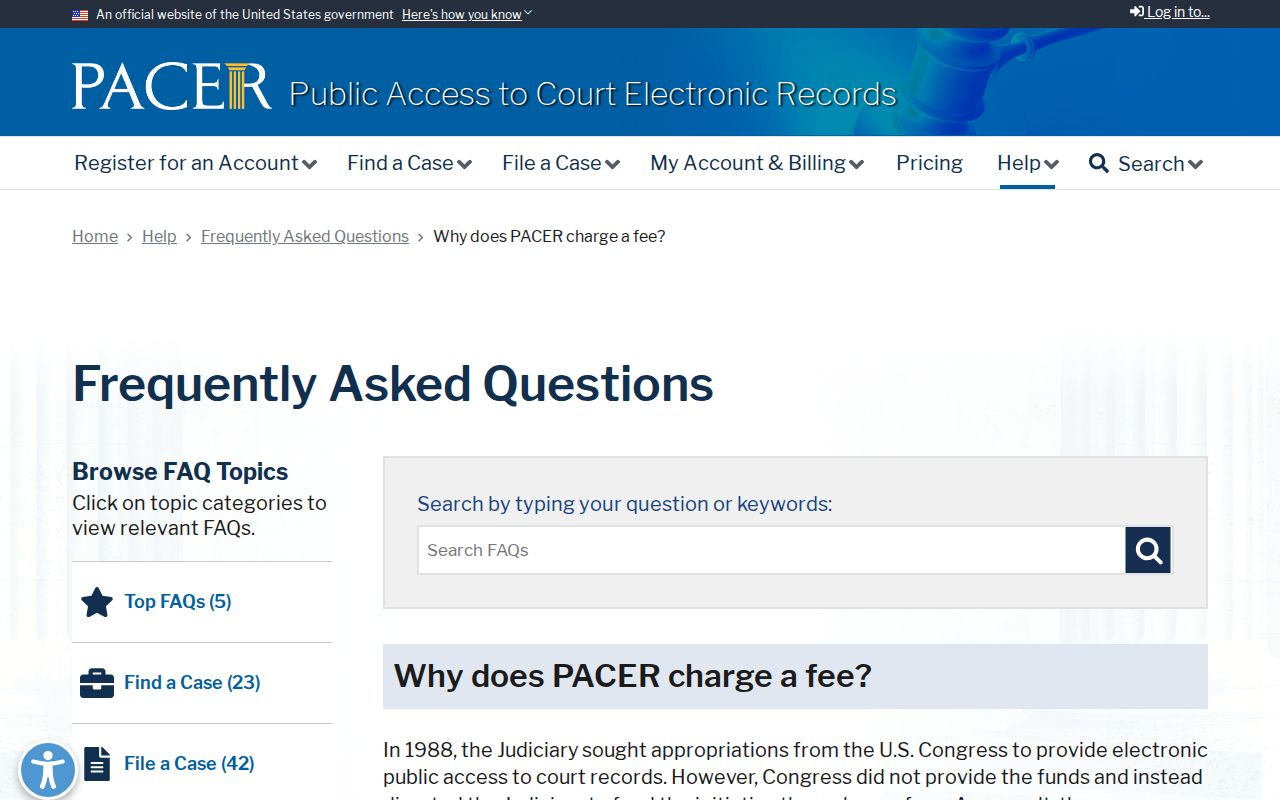
Those federal fees tell you nothing about whether a Carter County warrant exists. TBI fugitive programs, where they run, are statewide and selective rather than a count of county process. Do not copy names or photographs from federal or state pages.
Most Wanted vs an Active Warrant
A Most Wanted roster, where an agency runs one, is a curated public-safety program. An active warrant is court process, open until it is served or recalled. Carter County publishes neither a public active-warrant list nor a wanted roster, so the comparison comes down to record types and a local access gap.
| Question | Most Wanted program | Active warrant record |
|---|---|---|
| What it is | Curated agency outreach | Process tied to a court case |
| Public list found | No verified Carter roster | No verified countywide list |
| Where to ask | Sheriff’s official channels | Issuing court or clerk |
| Tip or status | Tip route does not confirm a case | Clerk confirms the court record |
Carter County Bail Warrant Scams
The Carter County Sheriff's Office says it will not call demanding bail or threatening arrest, and its warning tells people to verify suspicious calls through official contacts. A federal jury-scam alert makes the same point: never settle court status over the phone. Do not share bank details or personal identifiers with an unsolicited caller. Find the official number yourself on the sheriff or court site, then call and ask.
If You Believe You Are on a List
If a letter or message hints that a warrant names you, call the court on the case paperwork and ask how to verify the current record. Talk to an attorney before arranging an appearance, bond, or a request to recall or quash. The Carter County Circuit Court Clerk routes county criminal and General Sessions cases. A city clerk handles that city's citations.
For your own status: contact counsel and the issuing clerk. Do not rely on a tip form, copied roster, or a caller asking you to pay bail.
The Carter County active warrant search information explains why the county's missing roster is not an answer on any warrant status.
Carter County Warrant Record Requests
Carter County keeps no public warrant roster, but you can still ask for records that exist. The county request form works for that. Say which office you believe holds the material, whether sheriff, clerk, or court, and give a date range, the record type, and the format you want. Ask for redaction of person-level identifiers if you do not need them. The Carter County government site posts the Public Records Request Form and its policy. Both carry dates, so check current delivery options, ID rules, and fees before you send anything in. One limit matters here: the Tennessee Public Records Act never forces an office to build a warrant list that does not already exist.